Description
| Specification | Detail |
|---|---|
| Model | 9YG-1.0C |
| Pick-up Width | 1,900 mm |
| Pick-up Type | Hammer-claw — standing crop |
| Bale Diameter | 1,100 mm |
| Bale Width | 1,000 mm |
| Power Required | ≥70 kW / 95 HP |
| Output | 40–100 bales/hr |
| Bale Density | 100–200 kg/m³ |
| Net Wrap | Automatic |
| Machine Weight | Approx. 2,800 kg |
| Specialisation | Direct standing crop collection |
| Density Control | Electronic sensor |
The Standing Corn Stalk Specialist: Direct Collection Without Pre-Cutting
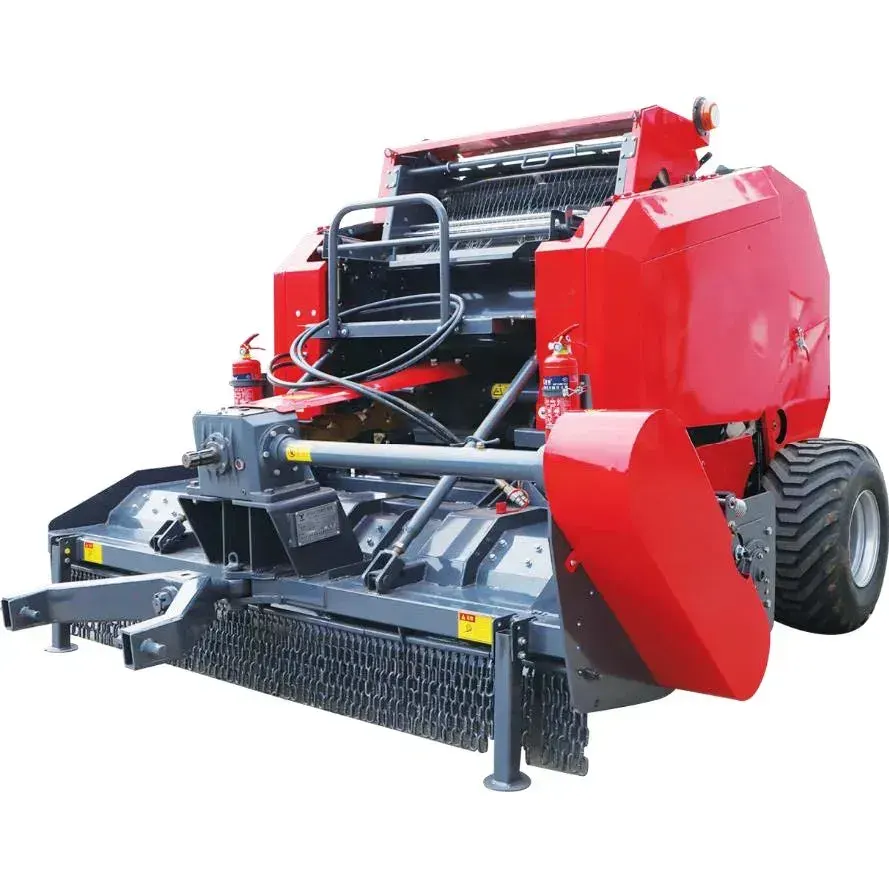
The Ever-Power 9YG-1.0C is a purpose-built standing crop collection baler. Where conventional balers require crops to be cut and raked into windrows before baling, the 9YG-1.0C's hammer-claw pick-up head physically engages standing stalks — corn, sorghum, sunflower, cotton stalk — and pulls them directly into the compression chamber. The intermediate mowing and raking operations are eliminated entirely. For Argentine cropping operations managing corn residue across multiple hundred hectares annually, this single capability transforms residue management economics.
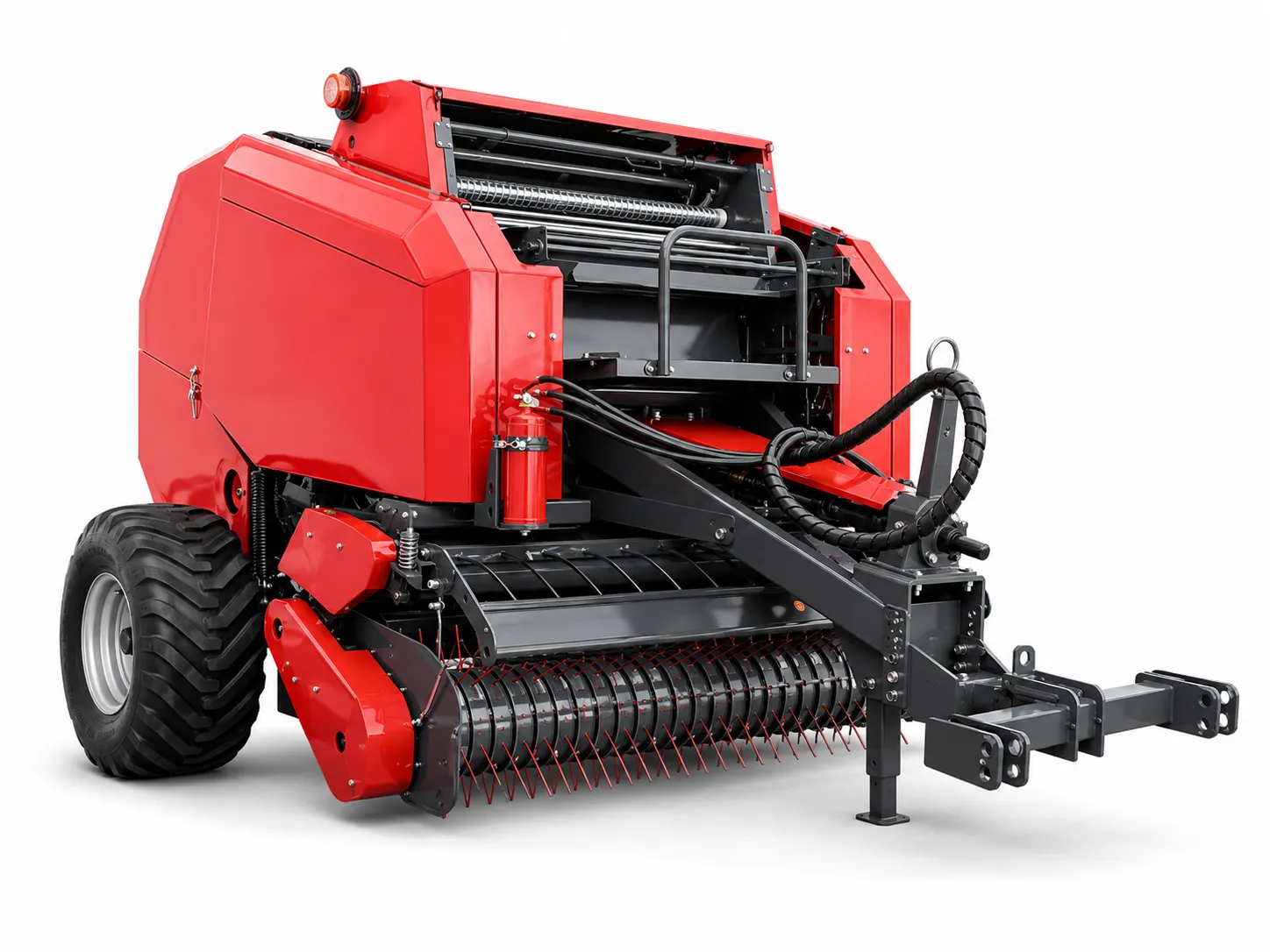
The 9YG-1.0C produces 1,100 x 1,000 mm bales suitable for livestock feed (after processing through a grinder like the 9F-70), bedding, biomass, and in some markets export to industrial fibre applications. With output of 40–100 bales per hour and sensor density control delivering consistent 100–200 kg/m³ bale specifications, the machine combines specialist standing-crop capability with the bale quality standards expected of commercial baling equipment.
Hammer-Claw Pick-Up: The Engineering That Enables Direct Standing Collection
The hammer-claw pick-up is what makes direct standing crop collection mechanically possible. Where spring-tooth pick-ups gently lift material from a windrow, the hammer-claw mechanism physically grasps upright standing stalks and pulls them into the intake. The claw profile provides the aggressive mechanical engagement required to overcome the rooted resistance of standing crop — an action that would damage or jam a spring-tooth system designed for windrow material.
The operational consequence is significant. Conventional corn residue management involves three tractor passes: mow the stalks, rake them into windrows, then bale. With the 9YG-1.0C, the collection process reduces to one pass: direct bale. For a 150-hectare corn property, this saves approximately 300 tractor-hours per season. At Argentine contractor rates, this is a material direct operating cost saving that typically covers the machine's additional capital cost relative to a standard hay baler within two to three corn-stalk seasons.
Three-Pass to One-Pass Economics: Eliminating mowing and raking passes saves not only labour and fuel cost, but also reduces soil compaction from repeated tractor traffic across the same ground. For operations managing soil structure for the following crop, the reduced compaction is a separate agronomic benefit beyond the direct operating cost saving.
Crop Applications: Standing Crop Specialisation
Corn Stalk — Primary Application
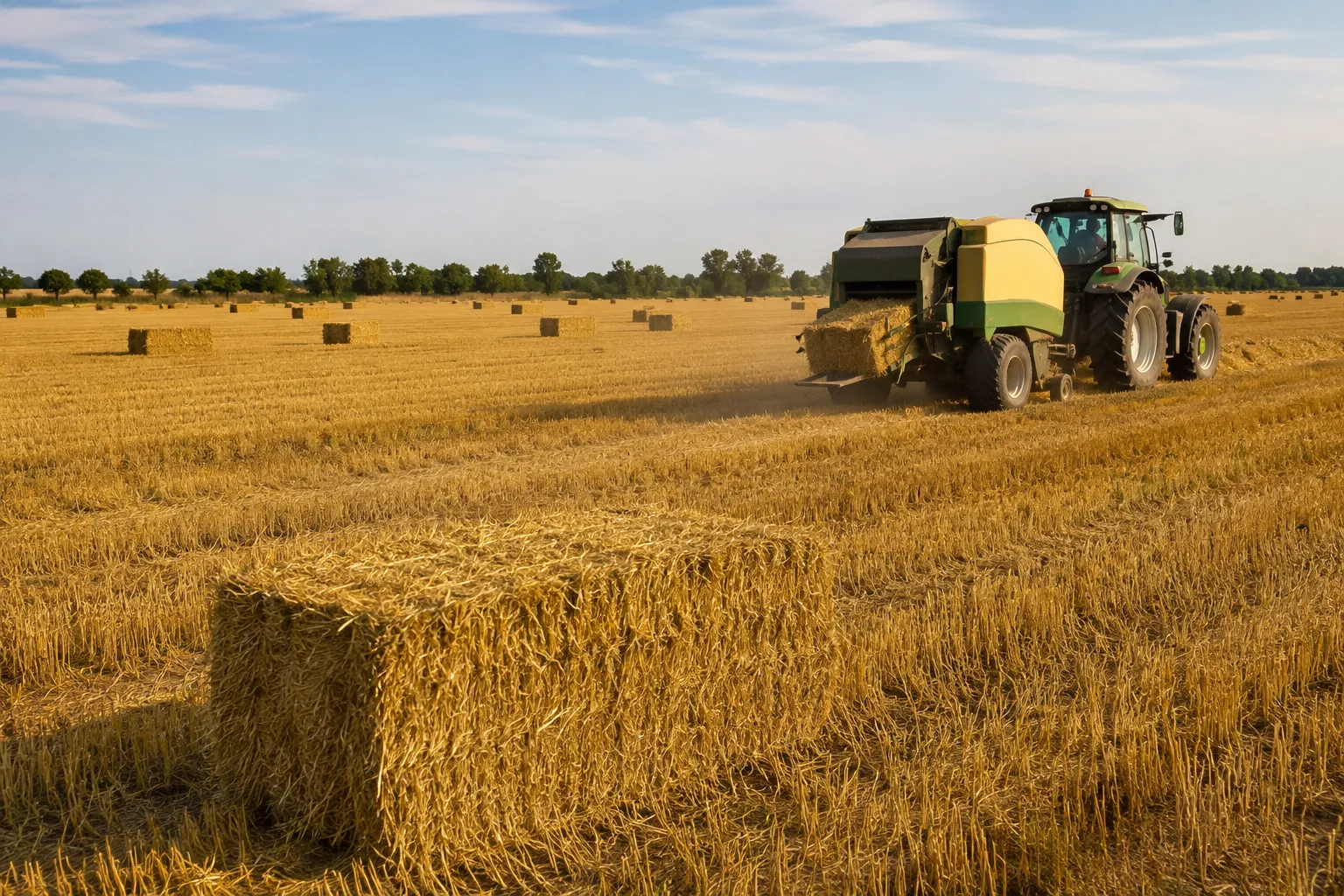
The 9YG-1.0C is purpose-built for standing corn stalk collection following grain harvest. The 1,900 mm working width typically spans 2–4 corn rows depending on planted spacing. The hammer-claw aggressively engages the stalk bases and pulls them into the chamber. Bale density in corn stalk applications typically reaches 80–140 kg/m³ — lower than hay because of the coarser stalk structure — but produces structurally coherent bales for storage and transport.
Sorghum and Sunflower Stalk
The hammer-claw configuration handles sorghum and sunflower stalks with similar standing-crop dynamics. For these crops, harvest timing affects baler engagement — collection works best after the standing material has lost enough moisture for clean fibre breakage at the cut point.
Cotton Stalk
Cotton stalk collection for biomass or disposal applications is well-suited to the 9YG-1.0C. The woody residue would create excessive blockage in conventional baler designs; the hammer-claw mechanism handles the rigid stalk structure effectively.
Mixed Standing Residue
For operations with mixed standing residue management requirements — corn, sorghum, sunflower in different paddocks — the 9YG-1.0C handles all three crop types with the standard hammer-claw head, providing operational flexibility within the standing-crop application category.
Sensor Density Control and Net Wrapping
Despite its specialist standing-crop pick-up, the 9YG-1.0C retains the electronic sensor density control and automatic net wrapping features that define commercial-class baling equipment. Sensor density management is particularly valuable in standing crop applications because crop density varies significantly across a paddock based on plant density, stalk thickness, and moisture variations. The automatic compensation produces consistent bale specifications without operator monitoring.
Tractor Compatibility and Operating Technique
The 9YG-1.0C requires 70 kW (95 HP) minimum at the PTO. Standing crop collection creates higher draft loads than windrow collection due to the resistance of rooted material. A tractor at the upper half of the rated range delivers smoother operation and better throughput. Operating speed is determined by the resistance the machine experiences: 4–7 km/h is typical for standard corn stalk conditions, with denser plant populations requiring slower forward speed.
Operating technique differs from windrow baling. Rather than following a pre-formed windrow, the operator drives directly into standing rows, positioning the pick-up to align with planted row geometry. The hammer-claw engages stalks across the working width — the operator's focus is on row alignment rather than windrow centring.
Tractor weighting: Standing crop collection draft loads are higher than windrow baling. Confirm tractor drawbar capacity and ensure adequate front axle weighting for stability under the higher pull loads. Contact us with your specific tractor model for compatibility confirmation.
Why Ever-Power: Verifiable Credentials
The 9YG-1.0C is produced by an ISO 9001:2015-certified manufacturer (audited by Beijing United Certification) with over 100 registered technology patents, National High-Tech Enterprise recognition (Cert. GR202315000192), AAA Credit Enterprise rating, and the AGMA Best Innovation Award 2023. Two consecutive years of category market leadership reflect sustained purchase preference among professional users with direct knowledge of alternatives.
Real-World Operating Scenario
A 600-hectare mixed cropping operation in Córdoba Province includes 200 hectares of annual corn for grain. After grain harvest, the property previously contracted the residue management to external operators using mow-rake-bale sequences at significant per-hectare cost. After investing in the 9YG-1.0C paired with a 110 HP tractor, the operation now collects its own corn stalk in a single pass — the bales are stored for use as off-season cattle feed (processed through their 9F-70 grinder) and bedding. Annual saving relative to the previous contracted approach has covered the machine's purchase cost within three corn-stalk seasons, with all subsequent seasons delivering pure operational benefit.
Technical Deep Dive: Direct Collection Sequence
The 9YG-1.0C's standing crop collection sequence: operator aligns the tractor with the standing row pattern and sets target bale density (80–130 kg/m³ for corn stalk). The tractor advances at 4–7 km/h depending on stalk density. The hammer-claw mechanism rotates against the standing stalks, engages them at the base, and pulls them into the axial-flow intake. The chamber fills progressively as standing crop is harvested across the working width. Sensor monitors compression and triggers net wrap when target density is reached. Net wraps the bale, rear door opens, bale ejects. Cycle time 80–120 seconds depending on standing crop density and operating speed.
Integration with the Ever-Power Range
The 9YG-1.0C is typically paired with the 9F-70 forage grinder for downstream processing of stored bales into livestock feed rations. The 9JYY-2.5 bale transporter handles in-field collection of finished bales. For operations with both standing crop and windrow baling requirements, the 9YG-1.25A (with interchangeable spring-tooth and hammer-claw heads) provides single-machine flexibility, while the 9YG-1.0C remains the dedicated specialist for high-volume standing crop operations.
Pre-Purchase Checklist
- Tractor produces at least 70 kW (95 HP) at the PTO with adequate drawbar capacity
- Annual standing crop collection volume of 100–400 hectares justifies the specialist machine
- Storage and downstream processing infrastructure (feed grinder, transporter) is in place
- Front-axle weighting is adequate for standing crop draft loads
- Service access supports 5–7 day parts dispatch from Buenos Aires
Frequently Asked Questions
Can the 9YG-1.0C handle material that has already been cut and raked?
Yes. The hammer-claw pick-up handles standing crop most effectively, but also handles laid windrow material. If your operation transitions between standing collection and conventional windrow baling, the 9YG-1.0C handles both without head change.
What minimum stalk height is suitable?
Effective standing crop collection requires minimum stalk height of approximately 0.8 metres. For shorter residue, raking and conventional windrow baling is more efficient.
Is the 9YG-1.0C available with a spring-tooth pick-up as an alternative?
The 9YG-1.0C is purpose-built for hammer-claw configuration. If your operation primarily handles windrow forage without standing crop, the standard 9YG-1.0 with spring-tooth pick-up is the more appropriate choice.
How does the 9YG-1.0C compare to the 9YG-1.25A?
The 9YG-1.25A has interchangeable spring-tooth and hammer-claw heads — suitable for operations spanning both windrow and standing-crop applications. The 9YG-1.0C is dedicated to standing-crop collection with the hammer-claw fixed configuration — better suited to high-volume standing-crop operations where the dedicated machine's operating efficiency outweighs the dual-purpose flexibility.
What bale density does the 9YG-1.0C produce in corn stalk?
Typical corn stalk bale density is 80–140 kg/m³. This is lower than hay because of the coarser stalk fibre structure but produces structurally coherent bales suitable for storage, transport, and downstream processing.
What spare parts should I stock for the first season?
Hammer-claw replacement components, net wrap knife, chain link connectors. Contact [email protected] with expected annual hectarage for a tailored parts list.
Regional Application: Argentine Corn Stalk Operations
Córdoba Province — Argentina's Primary Corn Belt
Córdoba Province produces approximately 35% of Argentina's corn crop. Annual corn stalk residue from grain operations across the province represents a significant biomass resource that traditional residue management often leaves in-field. The 9YG-1.0C is positioned for the Córdoba operators who choose collection over in-field decomposition, providing the operational efficiency required to make collection economically viable at commercial scale.
Buenos Aires Province — Mixed Cropping with Corn Component
Many Buenos Aires Province properties run corn as part of a rotation with soybean and wheat. For these operations, the 9YG-1.0C's value depends on corn area — properties with 100+ hectares annual corn typically justify dedicated equipment, while smaller corn allocations may be better served by the dual-head 9YG-1.25A.
Santa Fe Province — Corn for Livestock Feed
Santa Fe's integrated crop-livestock systems often plant corn specifically for whole-crop forage and residue collection. The 9YG-1.0C's collection efficiency directly supports these operations' feed self-sufficiency strategies, with collected stalk processed through grinders into ration components.
Total Cost of Ownership: The Standing-Crop Economics
The 9YG-1.0C's economic case rests on the elimination of mow and rake passes from corn residue management. For a 200-hectare corn operation, the saving relative to three-pass collection (mowing + raking + baling) includes: 300–400 tractor hours saved per season (fuel, depreciation, labour); reduced soil compaction; reduced field exposure time of cut residue (which loses dry matter to weather while drying in windrow form before baling). At current Argentine input costs, total saving per hectare typically reaches significant value, with annual savings on a 200-hectare operation often covering 35–50% of the machine's annual depreciation cost.
Comparing Ever-Power to Established European Brands
Dedicated standing-crop balers from European manufacturers exist but typically carry significantly higher prices than the 9YG-1.0C at equivalent specifications. The 25–45% Ever-Power price advantage at equivalent specification levels reflects manufacturing cost differences, not quality compromises. The same ISO 9001:2015 quality management standards apply to Ever-Power production. For Argentine corn operators evaluating capital allocation, the Ever-Power option delivers comparable operational capability at materially lower acquisition cost.
Order and Delivery Process
Day 1–2: enquiry and quotation with CIF price within 24 hours. Day 3–7: order confirmation with deposit, production slot allocated. Day 5–65: production. Quality inspection, documentation preparation, and container loading at our Parque Industrial Pilar facility. Ocean freight from Buenos Aires to destination port follows. After port arrival, buyer arranges customs clearance and inland transport. Within 7 days of farm arrival, remote video commissioning support from our Buenos Aires team is available for first setup and operation.
Regional Application Across Argentine Farming Zones
Buenos Aires Province — Humid Pampas
The humid pampas support Argentina's most productive forage operations, with deep mollisol soils and 800–1,200 mm annual rainfall driving multi-cut systems. The 9YG-1.0C's capabilities are matched to the operational intensity this region's commercial producers require — short drying windows between rainfall events make per-hour throughput and reliability the primary purchase criteria.
Córdoba Province — Mixed Farming Zone
Córdoba cycles through spring forage, summer grain straw, and autumn residue management. The 9YG-1.0C's capability covers this seasonal rotation across multiple crop types within one operational platform.
Santa Fe and Entre Ríos — Dairy Belt
Intensive dairy and beef operations require consistent forage quality. Quality-control features that affect livestock nutrition outcomes make the 9YG-1.0C directly relevant to these operations' commercial performance.
Patagonia and Arid Zones — Remote Operations
Extensive grazing systems operate with limited service infrastructure. ISO-certified construction and reduced-maintenance design priorities are directly relevant where service access is geographically distant.
Real-World Operating Scenarios
A 600-hectare mixed cropping operation in Córdoba Province includes 200 hectares of annual corn for grain. After grain harvest, the property previously contracted residue management to external operators using mow-rake-bale sequences at significant per-hectare cost. After investing in the 9YG-1.0C with a 110 HP tractor, the operation now collects its own corn stalk in a single pass — bales are stored for off-season cattle feed (processed through their 9F-70 grinder) and bedding. Annual saving covers the machine's purchase cost within three corn-stalk seasons.
A specialty biomass collection contractor in Santa Fe Province uses the 9YG-1.0C to collect standing corn stalk, sunflower stalk, and cotton stalk from client properties on a contract basis. The hammer-claw configuration handles all three crop types without head changes. Single-pass collection allows the contractor to service multiple client properties per week during the residue collection window, with throughput economics that conventional three-pass alternatives cannot match.
Technical Deep Dive
The 9YG-1.0C's direct standing collection sequence: operator aligns tractor with the standing row pattern and sets target bale density (80–130 kg/m³ for corn stalk). Tractor advances at 4–7 km/h. The hammer-claw mechanism rotates against standing stalks, engages them at the base, and pulls them into the axial-flow intake. Chamber fills progressively as standing crop is harvested across the working width. Sensor monitors compression and triggers net wrap when target density is reached. Net wraps the bale, rear door opens, bale ejects. Cycle time 80–120 seconds depending on standing density.
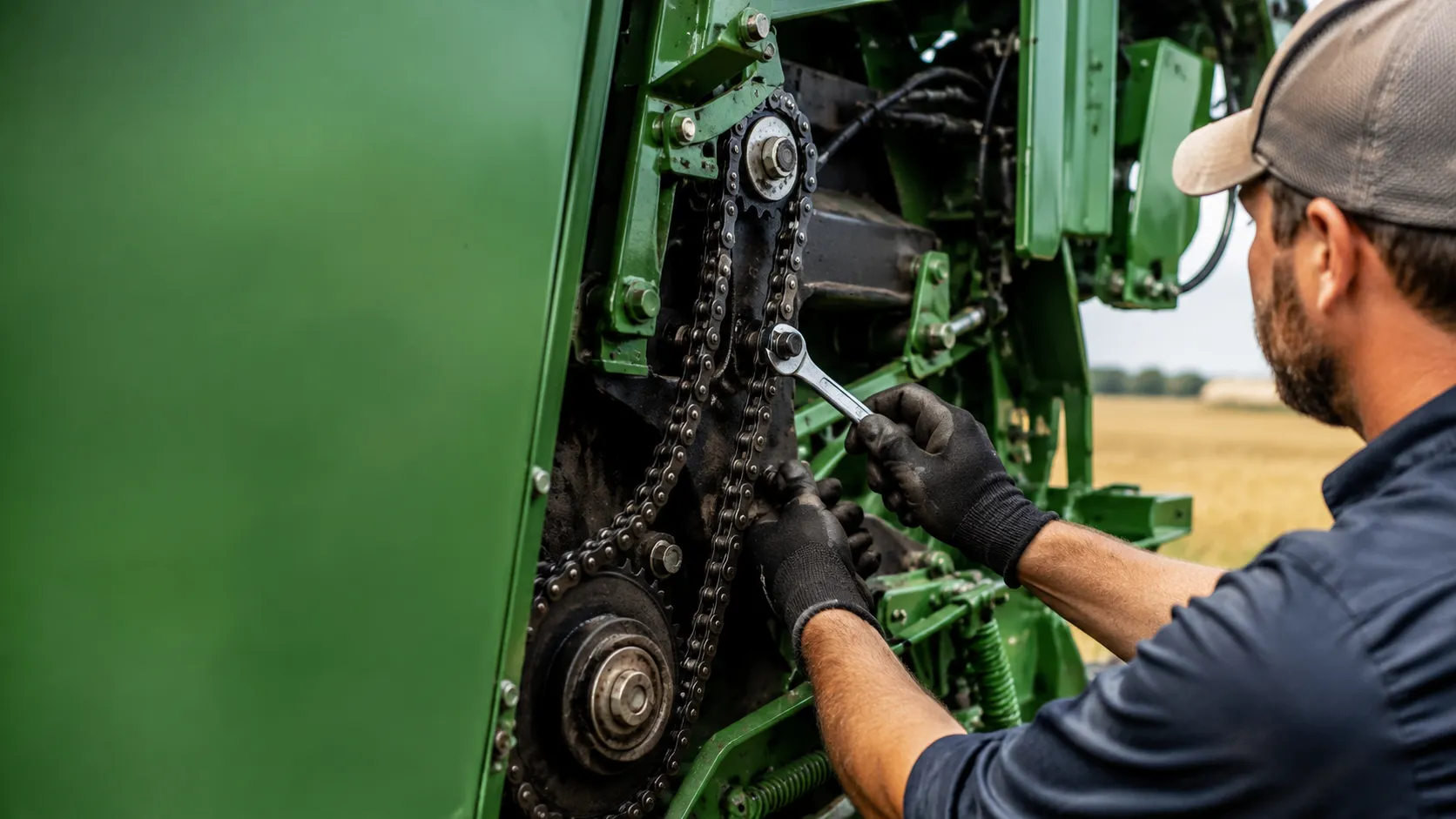
The hammer-claw mechanism uses a series of opposed engagement points that grip the stalk base, lift it from rooted position, and feed it into the chamber. The mechanism's patented geometry handles the diverse stalk diameter range (from thin sorghum to thicker sunflower) without configuration changes — the engagement points self-adjust to stalk thickness through the spring-loaded engagement geometry.
Order and Delivery Process
Day 1–2: enquiry and quotation with CIF price within 24 hours. Day 3–7: order confirmation with deposit. Day 5–65: production (30–60 days). Quality inspection, documentation preparation, and container loading at our Parque Industrial Pilar facility. Ocean freight from Buenos Aires to destination port follows. After port arrival, buyer arranges customs clearance and inland transport. Remote video commissioning support included with every machine.
ISO9001‑Certified Manufacturing
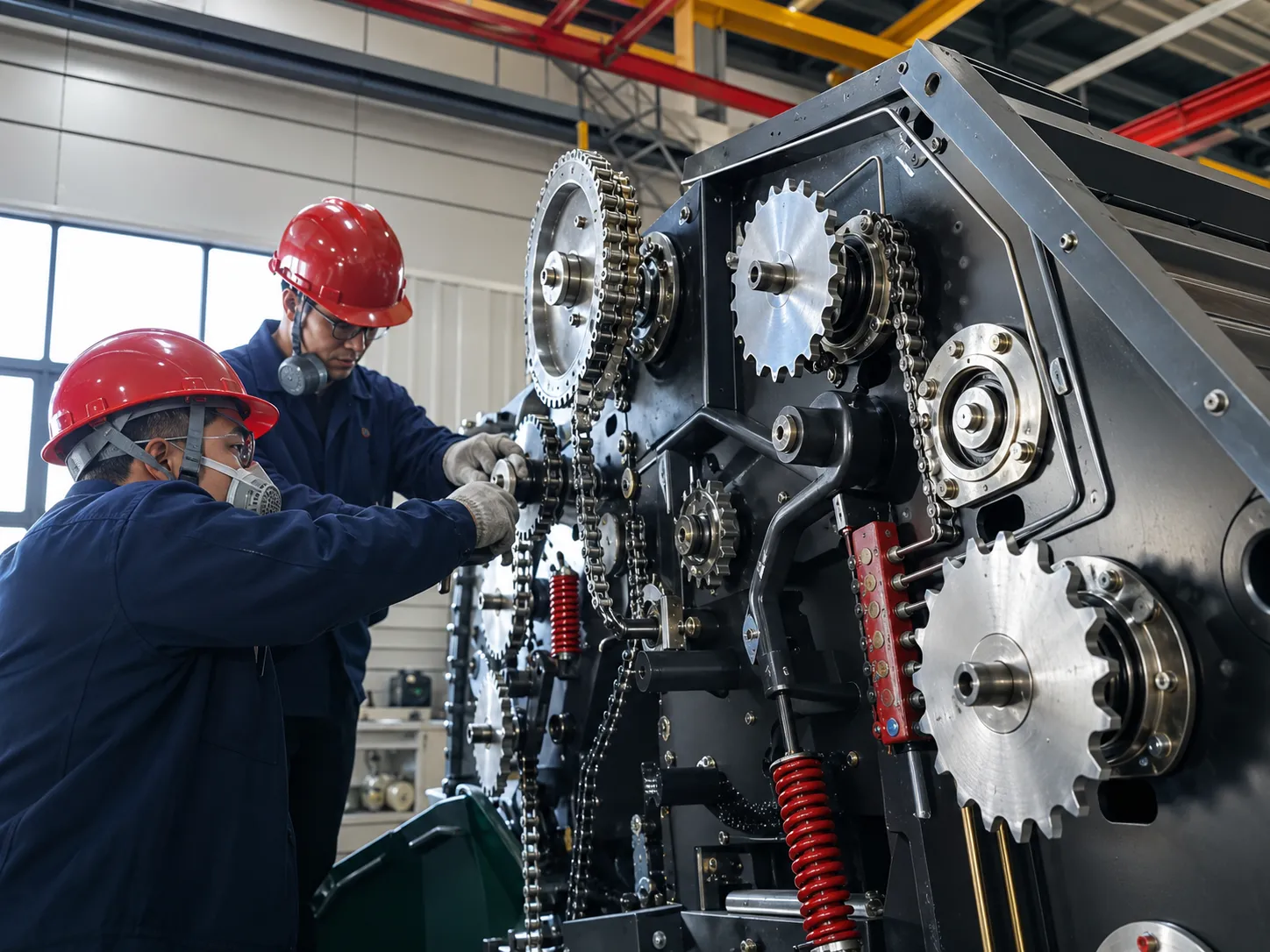
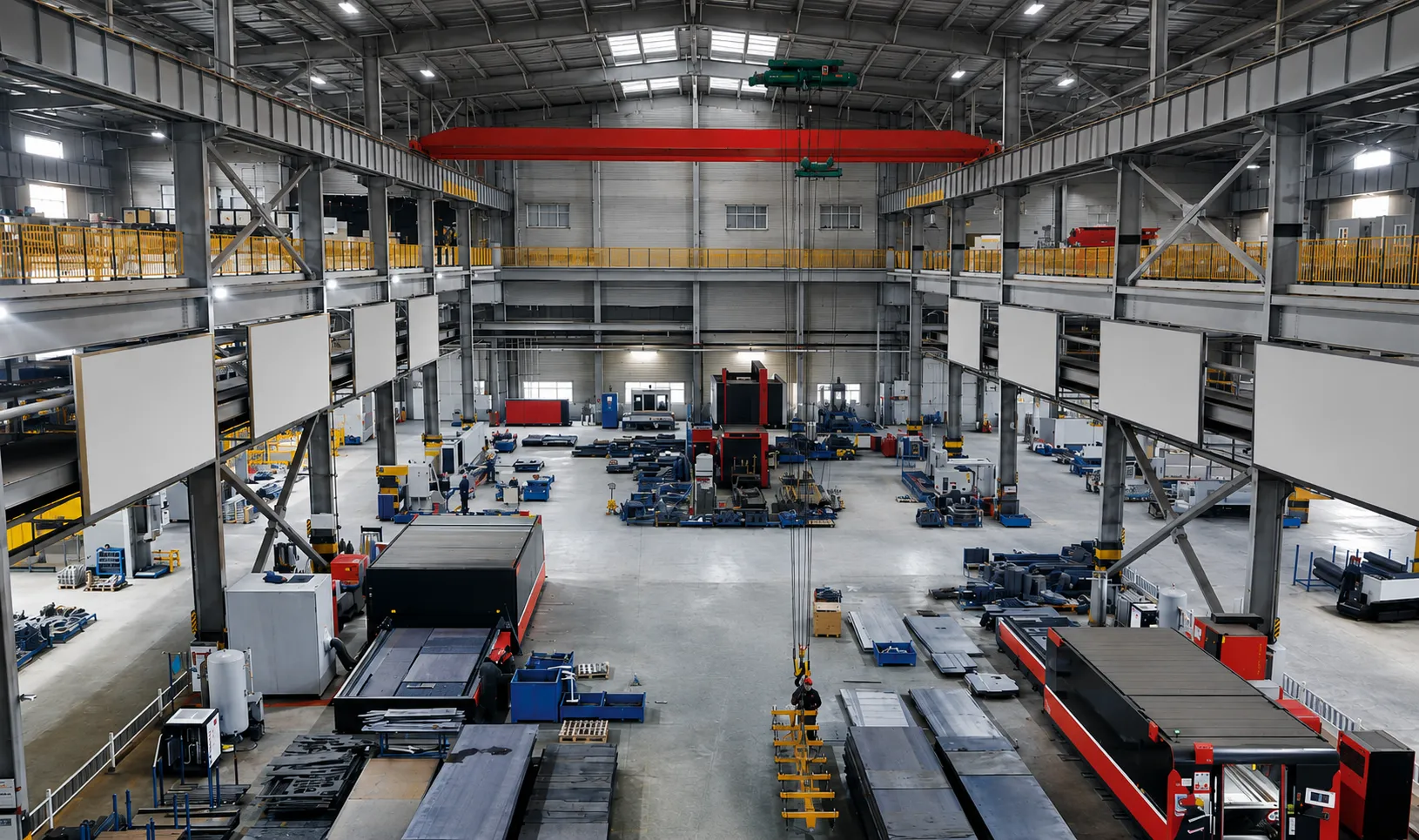
ISO 9001:2015‑certified manufacturing under Beijing United Certification audit. Two production lines deliver 2,000‑plus units annually with CNC dimensional accuracy and robotic weld consistency.
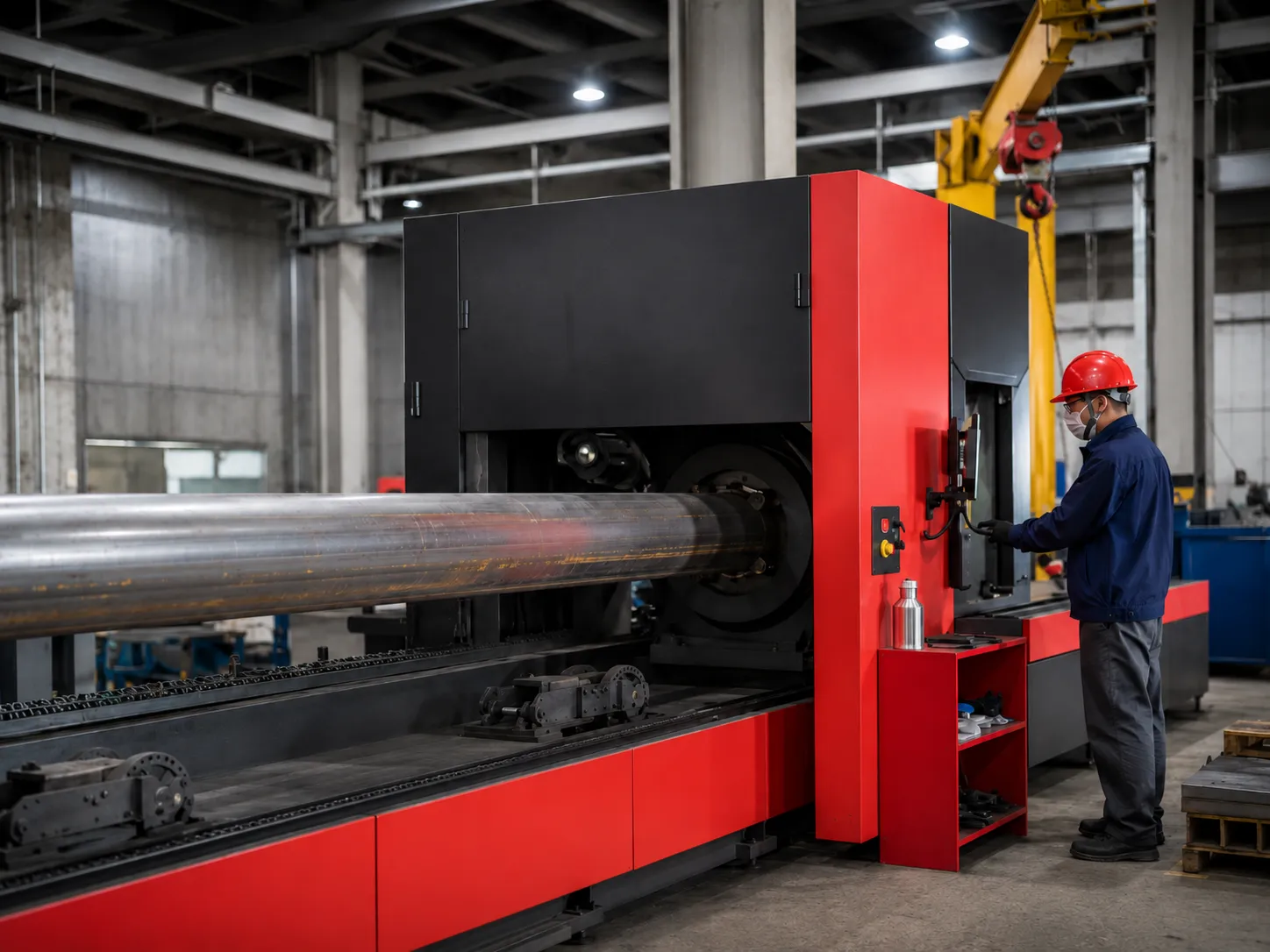
Warranty and After‑Sales: Full manufacturer's warranty. 24‑hour technical response. English operator manuals and remote video commissioning included. Parts ship globally within 5–7 days.
Explore Ever-Power Forage Equipment
Our Team Responds Same Business Day
Our Argentine team is available Monday–Friday. Send your requirements and receive a no‑obligation quotation same day.
Shipping: Full export logistics from Parque Industrial Pilar: phytosanitary certificates, certificates of origin, container loading. [email protected].
Reviews
There are no reviews yet.