Description
| Specification | Detail |
|---|---|
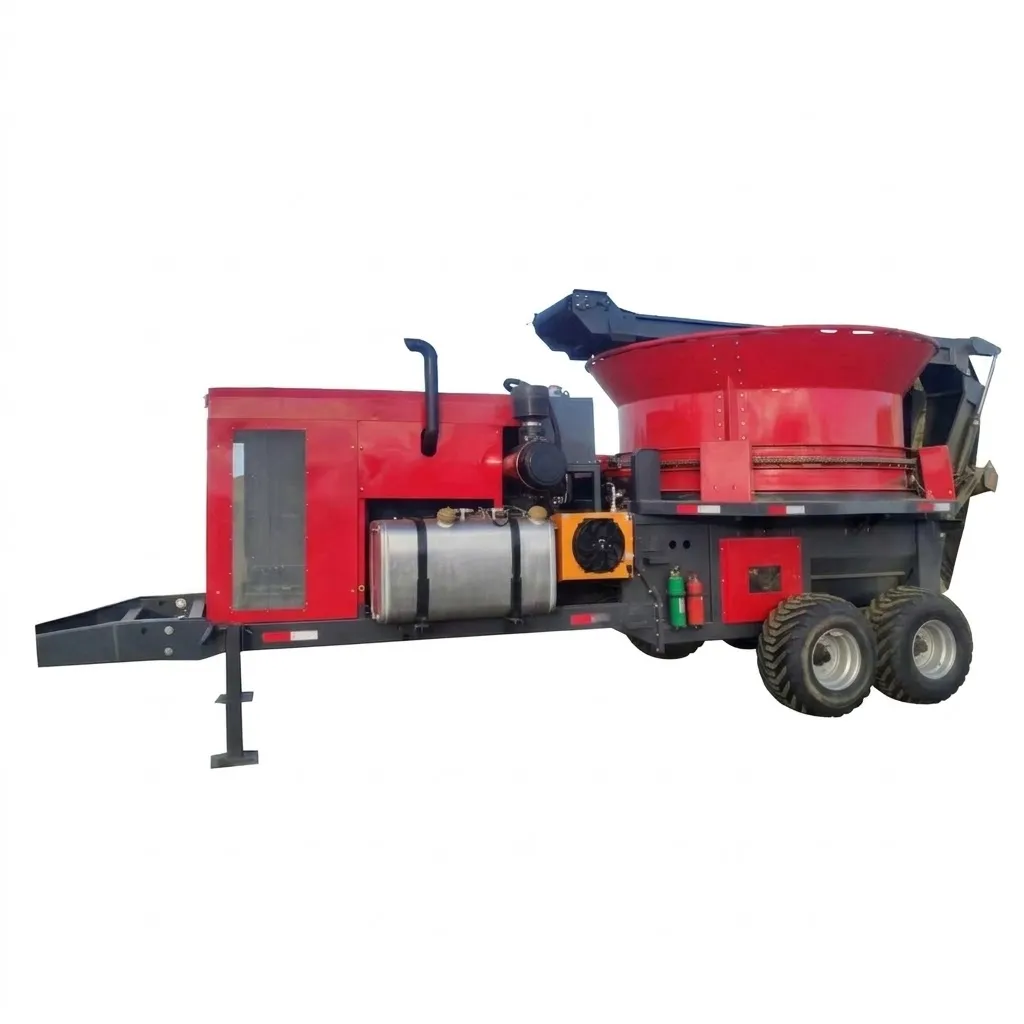
| Model | 9F-70 |
| Crushing Chamber Width | 1,100 mm |
| Rotor Speed | 1,800 r/min |
| Hammers | 64 heat-treated steel hammers |
| Engine | 191 kW diesel (self-powered) |
| Throughput | 5–20 tonnes/hr |
| Wheel Track | 2,200 mm (towable) |
| Total Weight | 5,500 kg |
Self-Powered High-Volume Feed Processing
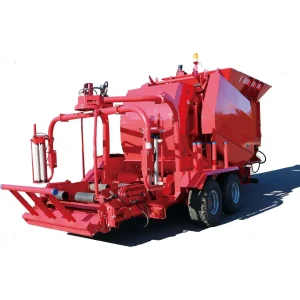
The Ever-Power 9F-70 is a diesel-powered forage tub grinder designed for the high-volume processing of stored hay, straw, and silage bales into livestock feed. Unlike tractor-driven processing equipment, the 9F-70 is entirely self-powered by an integrated 191 kW diesel engine — meaning it operates independently of your tractor fleet and can be positioned wherever feed processing is needed on the operation without occupying a tractor that may be required for other tasks simultaneously.
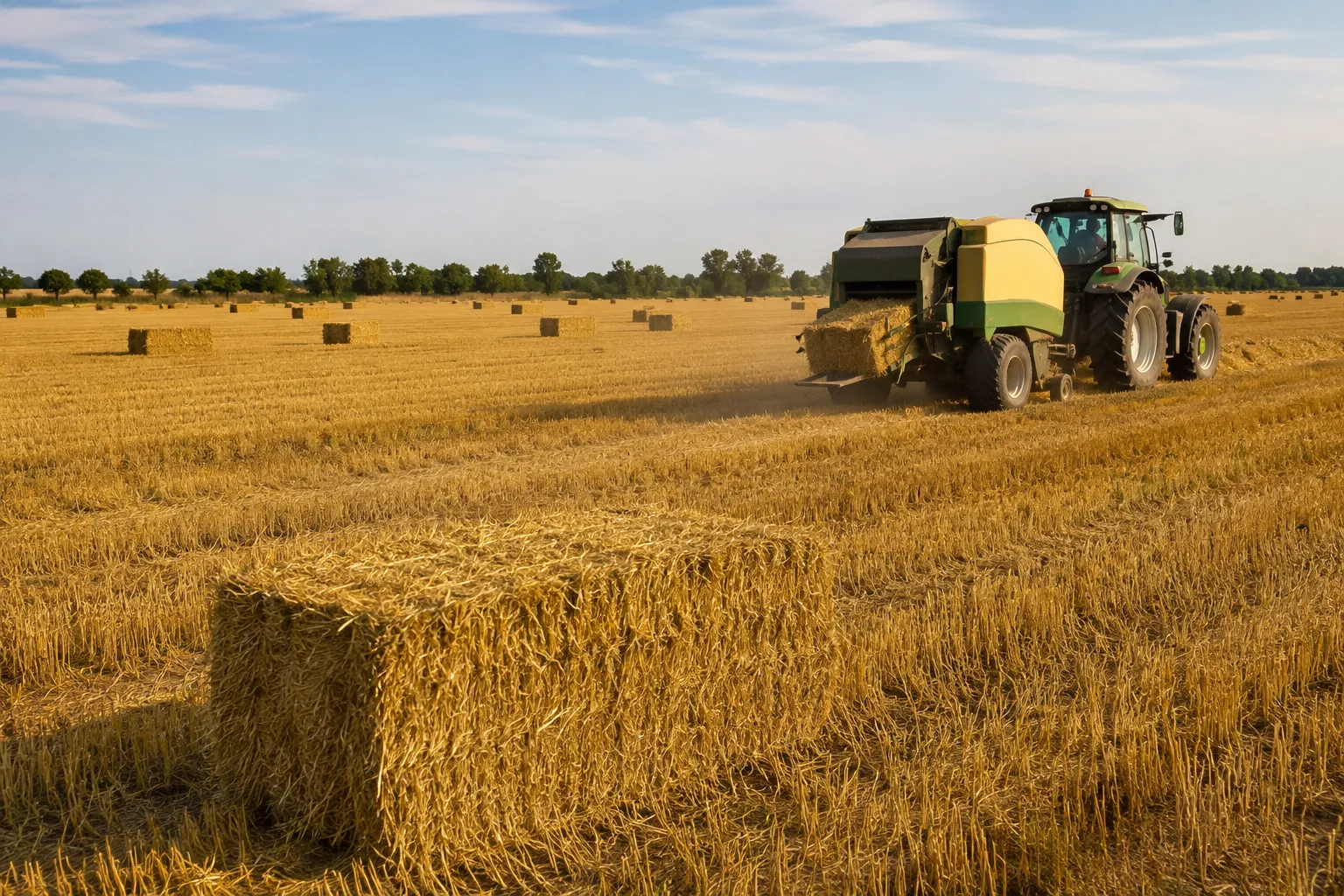
The machine processes 5–20 tonnes per hour depending on material type, moisture content, and particle size target. For feedlot operations, large dairies, and commercial feed preparation services, this throughput rate enables the 9F-70 to process a full season's stored feed inventory in a defined processing campaign rather than as a continuous background operation, freeing the machine for other sites or tasks between processing runs.
Throughput Perspective: At 10 tonnes per hour, the 9F-70 processes approximately 80 tonnes of material in an 8-hour shift. For a feedlot operation storing 500–1,000 tonnes of hay and straw annually, this means the processing requirement can be completed in 7–13 operating days — a concentrated campaign rather than a year-round daily task.
64 Heat-Treated Hammer Rotor at 1,800 r/min
The crushing mechanism in the 9F-70 uses a high-speed rotor equipped with 64 individually replaceable heat-treated steel hammers. At 1,800 revolutions per minute, the hammer tips achieve a velocity that pulverises crop material on impact — reducing long-stemmed hay and straw bales to the short-cut particle sizes required for rumen-effective livestock rations.
Heat treatment of the hammer steel extends wear life significantly compared to unhardened alternatives. In abrasive processing conditions — dry straw, coarse roughage, crop material with soil contamination — hammer wear is a significant operating cost. The 9F-70's heat-treated hammers are rated for higher cycle counts between replacement events, reducing the per-tonne maintenance cost of feed processing operations.
Cylindrical Feed System for Continuous Operation
Material enters the 9F-70 through a cylindrical feeding system that continuously drops hay and straw bales into the processing chamber as existing material is consumed. This continuous-feed design eliminates the batch loading cycle — stop, load, process, stop, load — that limits throughput on simpler designs. An operator feeds whole bales into the top of the cylinder, and the progressive feed mechanism draws material into the hammer chamber at a rate matched to the processing capacity, maintaining consistent throughput without overloading.
The 5,500 kg chassis is fitted with a 2,200 mm wide wheel track configuration for stable towing between properties or between paddock locations. No special transport permits are required for road transport at this wheel track width. The machine can be repositioned to serve multiple locations in a single operating day.
Manufacturer Credentials: Why Ever‑Power
Ever‑Power Forage Baler S.A. is the Argentine entity of an ISO 9001:2015‑certified manufacturer holding over 100 registered technology patents and National High‑Tech Enterprise recognition (Certificate GR202315000192). Two consecutive years of market leadership in the self-powered forage tub grinder category, AAA Credit Enterprise rating, and the AGMA Best Innovation Award 2023 provide independently verified performance and quality credentials. All certifications are available on request for buyer verification.
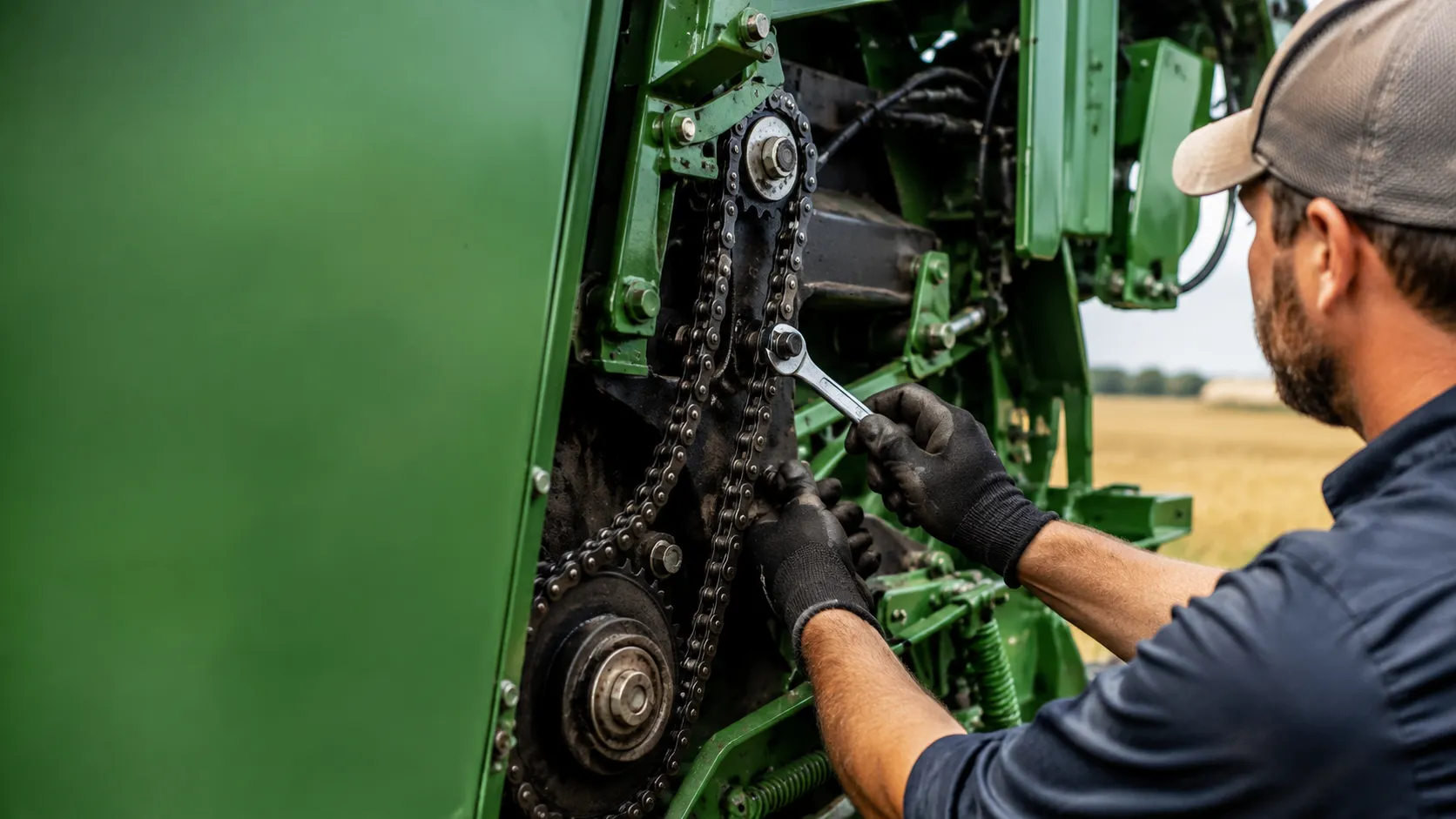
Our 32,000 m² production facility operates two dedicated production lines producing over 2,000 units annually. CNC laser cutting, robotic welding, and electrostatic coating are standard production processes on every unit. The 9F-70 Forage Grinder benefits from the same production standards and quality controls as every other machine in the range.
Agronomic and Operational Fit
The 9F-70 Forage Grinder is designed for operations requiring 5-20 tonne/hr self-powered feed processing capability with Self-powered — 191 kW diesel engine tractor power. Across Argentine agricultural regions, this covers:
- Buenos Aires Province: High‑rainfall improved pasture systems where processed feed at 5-20 tonnes/hr bale format suits local handling and storage infrastructure.
- Córdoba Province: Mixed cropping systems where 5-20 tonne/hr self-powered feed processing handling requirements align with the seasonal rotation of this region.
- Santa Fe and Entre Ríos: Intensive livestock and dairy systems where high-volume feed preparation for feedlots and dairies is a primary operational requirement.
- Patagonia and arid zones: Extensive operations where reliable, low‑maintenance equipment is essential due to limited service infrastructure.
Total Cost of Ownership
Purchase price is only the first cost. Annual maintenance on the 9F-70 Forage Grinder typically represents 2–4% of purchase price — a range that reflects the reduced maintenance requirements of the camless and axial‑flow design elements where applicable. Downtime cost during peak harvest is reduced by the blockage‑resistance feeding design. Residual value is supported by ISO‑certified build quality and verifiable manufacturer credentials that informed second‑hand buyers recognise.
Contact [email protected] for a 5‑year total cost of ownership comparison for the 9F-70 Forage Grinder versus alternatives you are evaluating. We provide this analysis for buyers who request it as part of the quotation process.
Seasonal Integration and Operating Calendar
The 9F-70 Forage Grinder's place in your annual operational calendar depends on its specific application. For primary hay and forage equipment, the peak use period is September through April in Argentina's agricultural zones. Pre‑season preparation in August — maintenance inspection, parts pre‑ordering, operator familiarisation — ensures the machine is ready when the season begins.
Off‑season storage should be in covered or semi‑covered conditions. Clean all crop debris from the machine before storage — accumulated organic material retains moisture and accelerates corrosion at contact points. Park with pick‑up in the raised position to relieve pressure on the tine carrier springs. Cover PTO shaft ends to prevent moisture and grit ingress into the shaft splines during storage.
Pre‑Purchase Qualification Checklist
Before placing an order for the 9F-70 Forage Grinder, confirm the following with your farming or operating team:
- Your tractor produces at least Self-powered — 191 kW diesel engine at the PTO — confirm against your tractor's rated specification
- Your annual operational requirement for self-powered forage tub grinder services justifies the capital investment at current prices
- Your storage and handling infrastructure is compatible with the bale format produced by this machine (processed feed at 5-20 tonnes/hr)
- Your operating location has adequate service access — either via our Buenos Aires team or via acceptable road freight for parts supply
- Your seasonal calendar provides adequate operating time to achieve target return on investment from the machine
If any of these items cannot be confirmed, contact our team before ordering — we will help identify the correct machine or configuration for your situation.
Buyer Scenarios
The following scenarios represent common operational contexts for the 9F-70 Forage Grinder:
Scenario 1: Owner‑Operator Small Property
A 150–300 hectare owner‑operated mixed farm with one main tractor and a seasonal baling requirement. The 9F-70 Forage Grinder's self-powered forage tub grinder capability covers the core baling needs of this operation. Its compatibility with Self-powered — 191 kW diesel engine tractors matches the typical tractor available on this farm scale. Low‑maintenance design is valued by owner‑operators who service their own equipment.
Scenario 2: Agricultural Contractor
A contractor servicing multiple properties through the season needs reliable, versatile equipment. The 9F-70 Forage Grinder's 5-20 tonne/hr self-powered feed processing handling capability — covering the crop types found across the contractor's client base — reduces the number of machine configurations required. Consistent output quality supports the contractor's commercial relationships with clients who specify density or quality standards.
Scenario 3: Large Integrated Property
A large property running 500–2,000 hectares with multiple tractors and dedicated operators. The 9F-70 Forage Grinder fits into the operation's forage chain — high-volume feed preparation for feedlots and dairies — and its ISO‑certified quality and local parts support from Buenos Aires reduces operational risk relative to less‑credentialed alternatives.
Extended Frequently Asked Questions
What particle size does the 9F-70 produce?
Particle size is determined by the screen size installed in the processing chamber. Different screens produce different particle size distributions. Typical screen options produce chopped lengths of 25–75 mm suitable for feedlot rations. Contact us for screen specifications and advice on screen selection for your specific livestock feeding requirements.
What is the fuel consumption of the 9F-70?
The 191 kW diesel engine's fuel consumption depends on the material being processed and the throughput rate. At 10 tonnes/hr of dry hay, typical consumption is 35–45 litres per hour. At maximum throughput of 20 tonnes/hr in lighter material, consumption may reach 55–65 litres per hour. Contact us for detailed fuel consumption data for your specific material types.
What documentation comes with the machine at delivery?
Each machine is delivered with: operator and maintenance manual (English language), warranty certificate, certificate of conformity, parts catalogue, and installation checklist. For export orders, the commercial invoice, certificate of origin, and phytosanitary certificate are provided with the shipping documentation.
How do I order spare parts?
Contact [email protected] with your machine serial number and the part number or description from the parts catalogue. We confirm availability, price, and dispatch time within one business day. Common consumables are stocked locally in Buenos Aires for same‑week dispatch.
Is the machine eligible for Argentine agricultural equipment subsidies or credits?
Contact Argentina's Secretaría de Agricultura, Ganadería y Pesca (SAGyP) or the Banco de la Nación Argentina agricultural lending programmes for current machinery subsidy and credit line eligibility. We provide the technical documentation and certificates of origin required for most application processes on request.
Can I inspect the machine at your Buenos Aires facility before purchase?
Yes. Contact [email protected] to arrange a visit to our Parque Industrial Pilar facility. In‑person inspection is available for buyers considering larger orders or those requiring specific configuration confirmation before order placement.
Manufactured to International Standards
Every component leaves a 32,000 m² ISO9001:2015 certified facility, processed through CNC laser cutting, robotic welding lines, and electrostatic coating for corrosion-resistant finish.
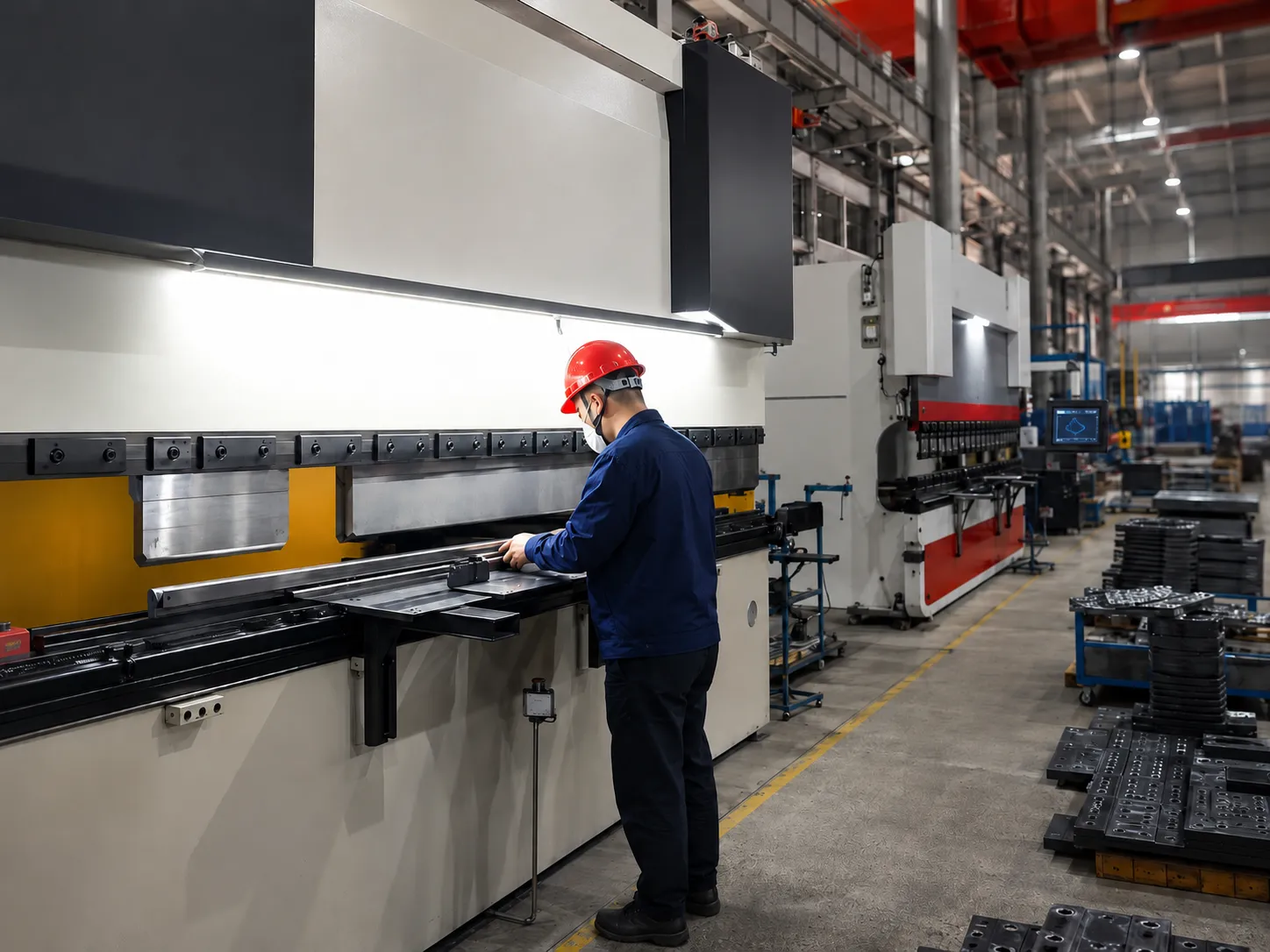
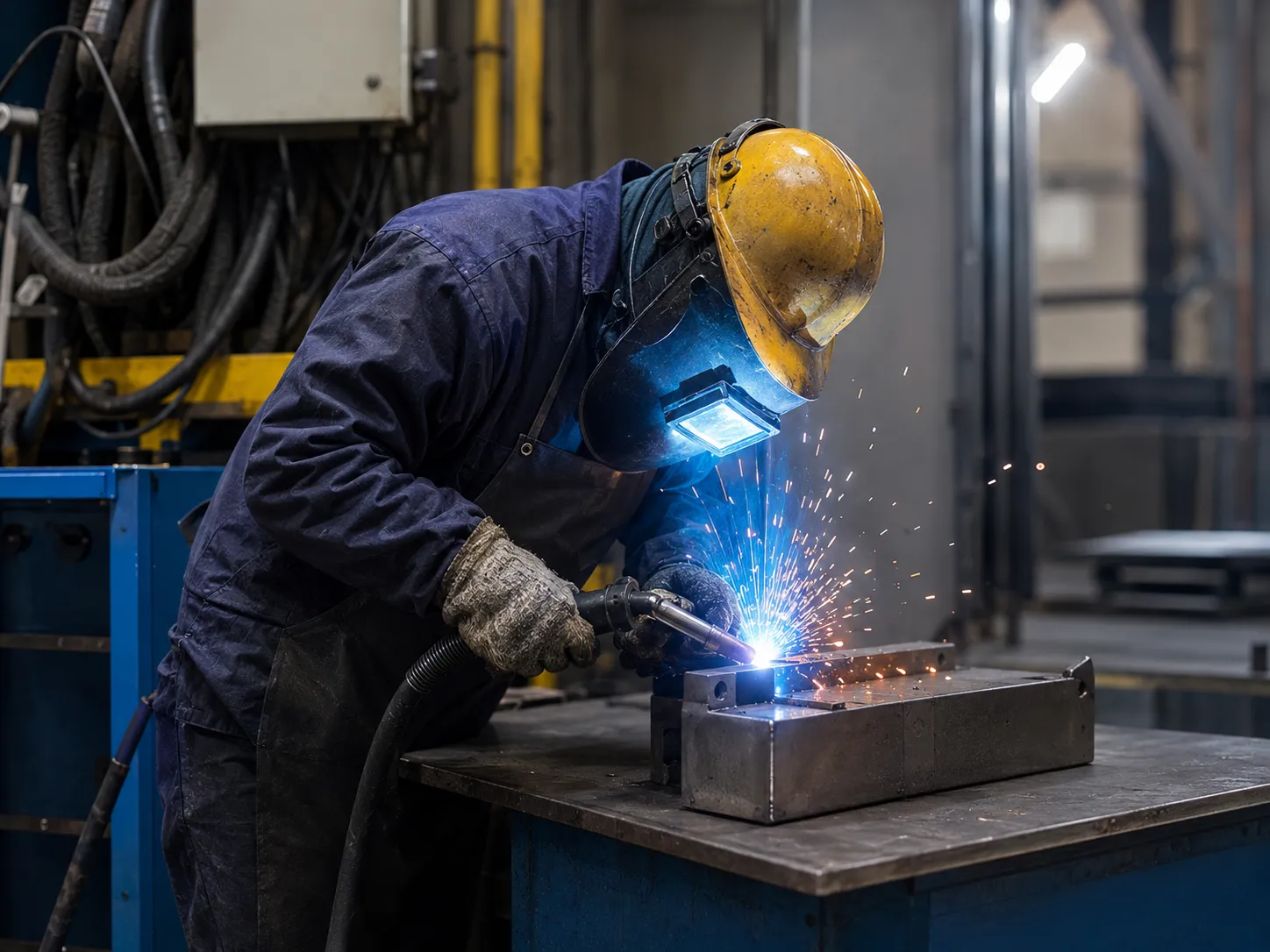
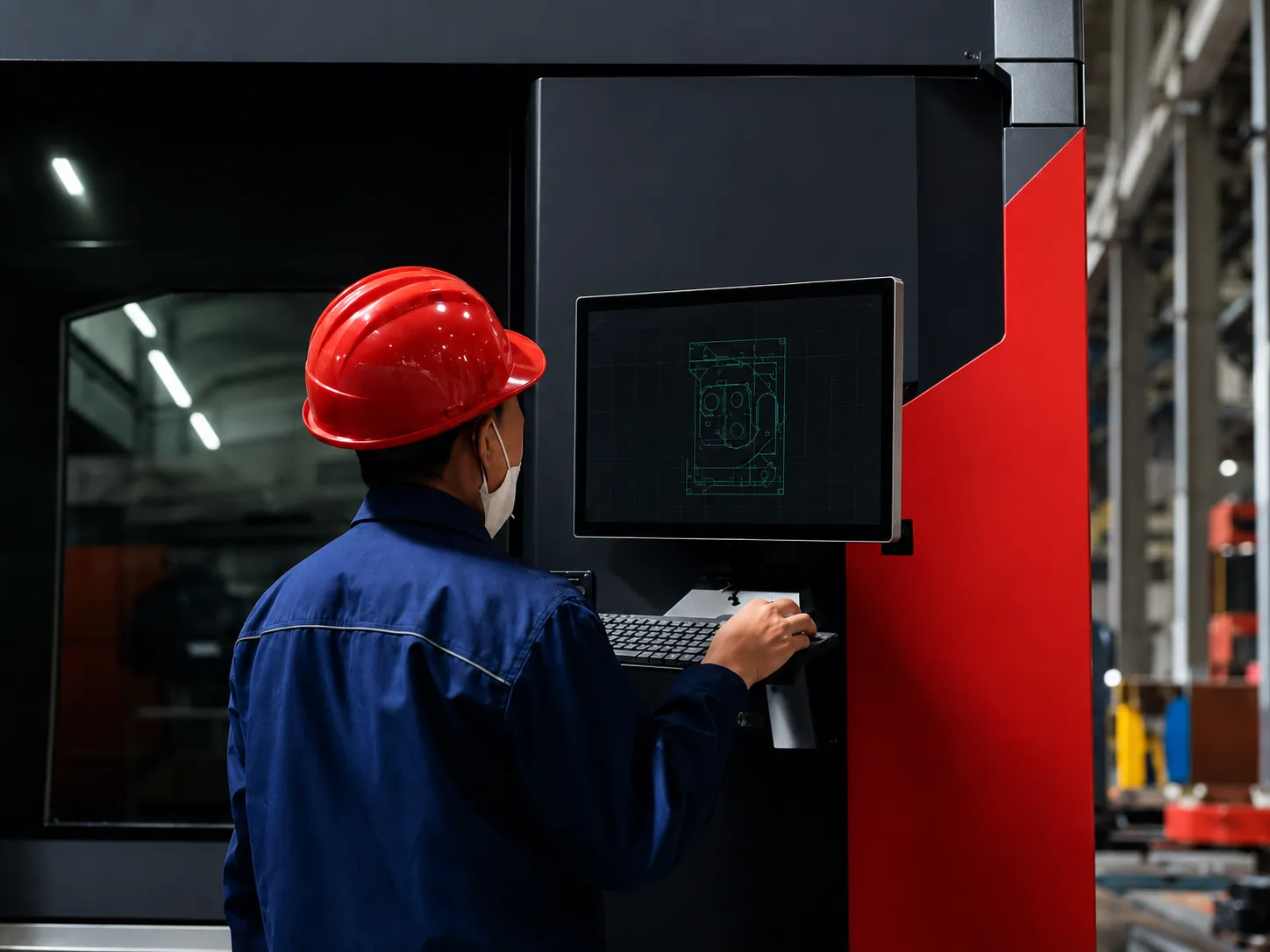
Warranty and Support: Manufacturer's warranty included. Ever-Power's Argentina-based service team responds within 24 hours for any technical query, with a stocked spare parts inventory and worldwide shipping.
Explore Ever-Power Forage Equipment
Looking for the right machine for your operation?
Our team recommends the ideal model based on your specific requirements and tractor power.
Shipping: International orders handled from our Parque Industrial Pilar facility. Full export documentation, phytosanitary certificates, and container loading coordinated by our team. Email [email protected].
Reviews
There are no reviews yet.