Description
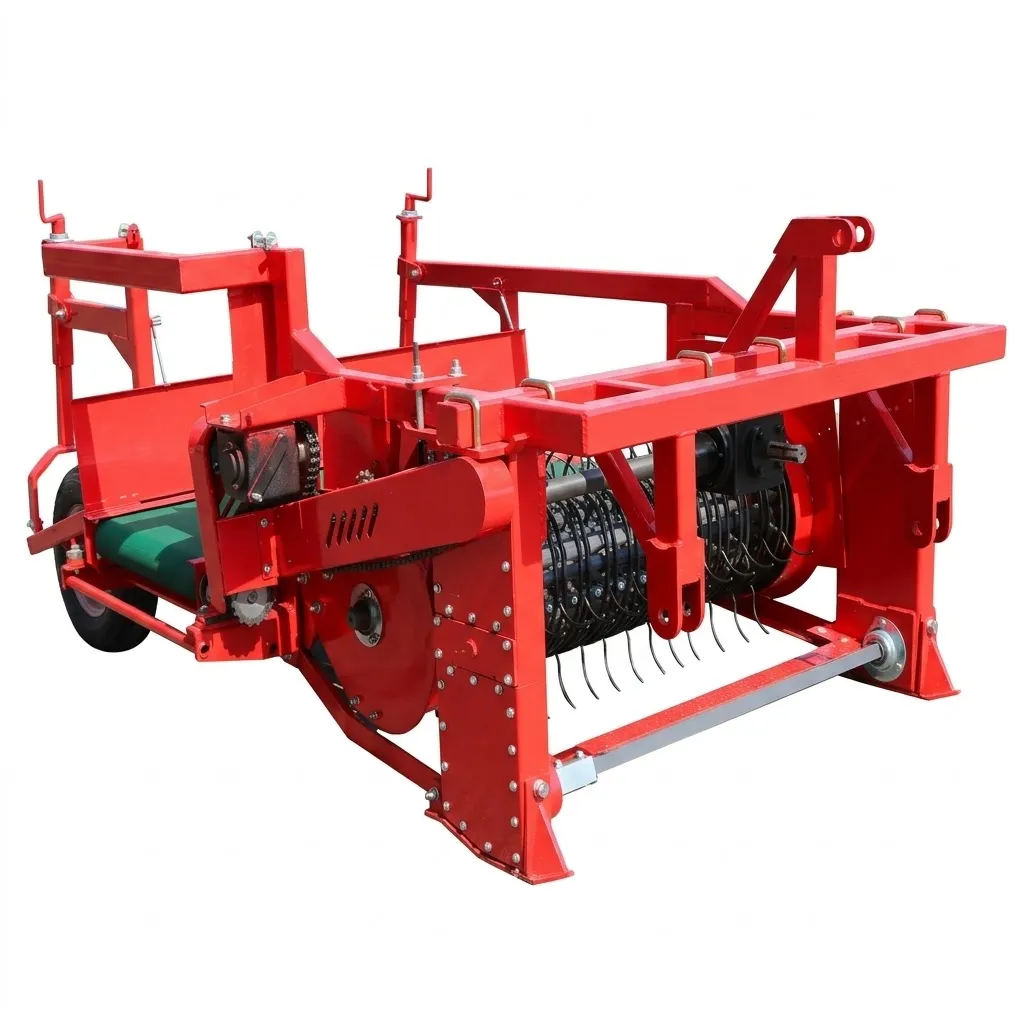
| Specification | Detail |
|---|---|
| Model | 4BYH-1.3 |
| Working Width | 1,300 mm |
| Row Configuration | 2-row |
| Mounting | Rear-mounted |
| PTO Drive | 540 r/min rear PTO |
| Power Required | ≥40 kW |
| Productivity | 0.65–1.04 ha/hr |
| Operation | Undercut, lift, windrow |
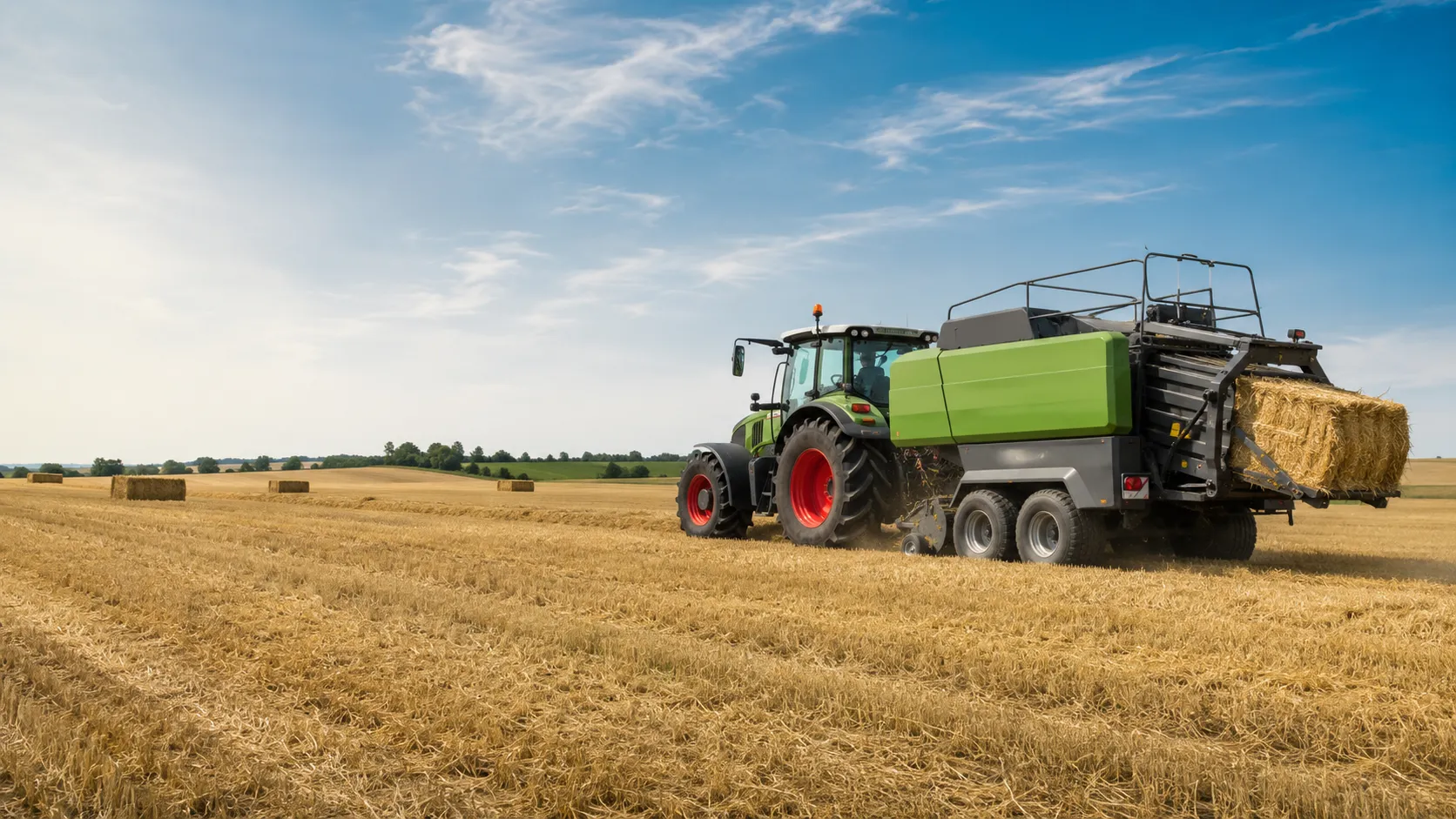
Reducing Soybean Harvest Losses Through Mechanical Vine Preparation
Soybean and dry bean harvest losses from direct combine harvesting are well-documented: pods that shatter on contact with the combine header, vines that tangle in the header mechanism, and uneven plant-down across the field all contribute to yield loss that ranges from 3–8% on average but can exceed 15% in poor conditions. The Ever-Power 4BYH-1.3 addresses these losses at the source by preparing the vines before combine harvesting — undercutting roots, lifting the entire plant, and laying it in a windrow to dry in the field before the combine follows.
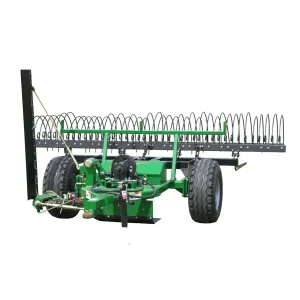
The spring tine pick-up system on the 4BYH-1.3 gently undercuts the vine's root system at a depth that lifts the plant without tearing or severing the pods from the vine. The intact vine — roots, stems, and pods still connected — is laid in a windrow that allows the remaining pod moisture to equalise and the pod walls to firm up over 24–48 hours before the combine harvests the windrow. This process consistently reduces pod shatter during combine operation and improves harvest efficiency through the better-formed windrow geometry.
Loss Reduction: Field studies comparing direct combine harvest to windrow-and-combine methods consistently show 30–50% reductions in total harvest loss with the windrow preparation approach. For a 100-hectare soybean crop yielding 3 tonnes per hectare, this translates to 9–15 tonnes of additional recovered yield per season.
2-Row Simultaneous Coverage: 1,300mm Working Width
The 4BYH-1.3 aligns to 2 standard soybean rows with a 1,300 mm working width, harvesting 2 rows simultaneously in a single pass. The spring tine configuration is calibrated for the stem spacing and root depth typical of soybean cultivation across Argentine and global production systems. PTO drive at 540 r/min transmits the necessary power to the pick-up mechanism through the standard rear PTO connection available on all compatible tractors.
Productivity of 0.65–1.04 hectares per hour under standard field conditions provides the throughput rate required to process a full harvest programme within the timing constraints of the harvest window. At 0.65–1.04 ha/hr, the 4BYH-1.3 is suited to operations of 20–80 hectares of soybean annually — the small-medium scale where a 2-row solution provides the right throughput without over-capitalising on harvesting equipment.
Field Drying and Windrow Formation
After the 4BYH-1.3 passes through the field, the vines are arranged in uniform windrows that allow air circulation around the lifted material. The windrow height and density are influenced by operating speed and crop density — slower speeds create taller, denser windrows; faster speeds produce lower, airier arrangements. The operator can adjust operating speed within the 540 r/min PTO speed constraint to optimise windrow formation for their combine's pick-up characteristics and the drying conditions on the day.
Under typical Argentine harvest conditions, 24–48 hours of windrow drying after undercutting is sufficient to firm pod walls to the point where combine harvesting losses are minimised. In humid conditions or with high-moisture crops, 48–72 hours may be appropriate. The key indicator is pod wall firmness — they should resist cracking under gentle finger pressure before the combine enters the windrow.
Frequently Asked Questions
Is the 4BYH-1.3 compatible with my row spacing?
Contact [email protected] with your planting row spacing and tractor model. We will confirm compatibility and advise on any setting adjustments required for your specific configuration.
Can the machine handle other legume crops beyond soybean?
Yes. The spring tine pick-up design is suitable for dry edible beans, snap beans, and other climbing legume crops with similar stem and root characteristics to soybean. Contact us to discuss compatibility with specific legume varieties.
What combine header pick-up width is compatible with the windrow produced?
The windrow width produced depends on operating speed and crop density. Most Argentine combine headers from 4–9 metres can harvest the windrow format produced by this machine. Contact us if you need specific windrow width information for your combine model.
Manufacturer Credentials: Why Ever‑Power
Ever‑Power Forage Baler S.A. is the Argentine entity of an ISO 9001:2015‑certified manufacturer holding over 100 registered technology patents and National High‑Tech Enterprise recognition (Certificate GR202315000192). Two consecutive years of market leadership in the rear-mounted soybean harvester category, AAA Credit Enterprise rating, and the AGMA Best Innovation Award 2023 provide independently verified performance and quality credentials. All certifications are available on request for buyer verification.
Our 32,000 m² production facility operates two dedicated production lines producing over 2,000 units annually. CNC laser cutting, robotic welding, and electrostatic coating are standard production processes on every unit. The 4BYH-1.3 2-Row Soybean Harvester benefits from the same production standards and quality controls as every other machine in the range.
Agronomic and Operational Fit
The 4BYH-1.3 2-Row Soybean Harvester is designed for operations requiring 2-row soybean vine preparation for combine harvesting capability with 40 kW minimum tractor power. Across Argentine agricultural regions, this covers:
- Buenos Aires Province: High‑rainfall improved pasture systems where 1,300mm 2-row alignment bale format suits local handling and storage infrastructure.
- Córdoba Province: Mixed cropping systems where 2-row soybean vine preparation for combine harvesting handling requirements align with the seasonal rotation of this region.
- Santa Fe and Entre Ríos: Intensive livestock and dairy systems where loss reduction in small-scale soybean operations is a primary operational requirement.
- Patagonia and arid zones: Extensive operations where reliable, low‑maintenance equipment is essential due to limited service infrastructure.
Total Cost of Ownership
Purchase price is only the first cost. Annual maintenance on the 4BYH-1.3 2-Row Soybean Harvester typically represents 2–4% of purchase price — a range that reflects the reduced maintenance requirements of the camless and axial‑flow design elements where applicable. Downtime cost during peak harvest is reduced by the blockage‑resistance feeding design. Residual value is supported by ISO‑certified build quality and verifiable manufacturer credentials that informed second‑hand buyers recognise.
Contact [email protected] for a 5‑year total cost of ownership comparison for the 4BYH-1.3 2-Row Soybean Harvester versus alternatives you are evaluating. We provide this analysis for buyers who request it as part of the quotation process.
Seasonal Integration and Operating Calendar
The 4BYH-1.3 2-Row Soybean Harvester's place in your annual operational calendar depends on its specific application. For primary hay and forage equipment, the peak use period is September through April in Argentina's agricultural zones. Pre‑season preparation in August — maintenance inspection, parts pre‑ordering, operator familiarisation — ensures the machine is ready when the season begins.
Off‑season storage should be in covered or semi‑covered conditions. Clean all crop debris from the machine before storage — accumulated organic material retains moisture and accelerates corrosion at contact points. Park with pick‑up in the raised position to relieve pressure on the tine carrier springs. Cover PTO shaft ends to prevent moisture and grit ingress into the shaft splines during storage.
Pre‑Purchase Qualification Checklist
Before placing an order for the 4BYH-1.3 2-Row Soybean Harvester, confirm the following with your farming or operating team:
- Your tractor produces at least 40 kW minimum at the PTO — confirm against your tractor's rated specification
- Your annual operational requirement for rear-mounted soybean harvester services justifies the capital investment at current prices
- Your storage and handling infrastructure is compatible with the bale format produced by this machine (1,300mm 2-row alignment)
- Your operating location has adequate service access — either via our Buenos Aires team or via acceptable road freight for parts supply
- Your seasonal calendar provides adequate operating time to achieve target return on investment from the machine
If any of these items cannot be confirmed, contact our team before ordering — we will help identify the correct machine or configuration for your situation.
Operator Best Practices for the 4BYH-1.3
Operating speed should be matched to the standing crop condition. Light, evenly-spaced soybean stands allow 7–10 km/h operation. Dense stands or those with weed pressure require reduced speed (4–6 km/h) to maintain clean undercutting without disturbing soil. The undercutting depth gauge wheels should be set so the cutting blade engages the taproot at 5–8 cm depth — deep enough to sever roots cleanly without bringing soil into the windrow that would contaminate the harvest.
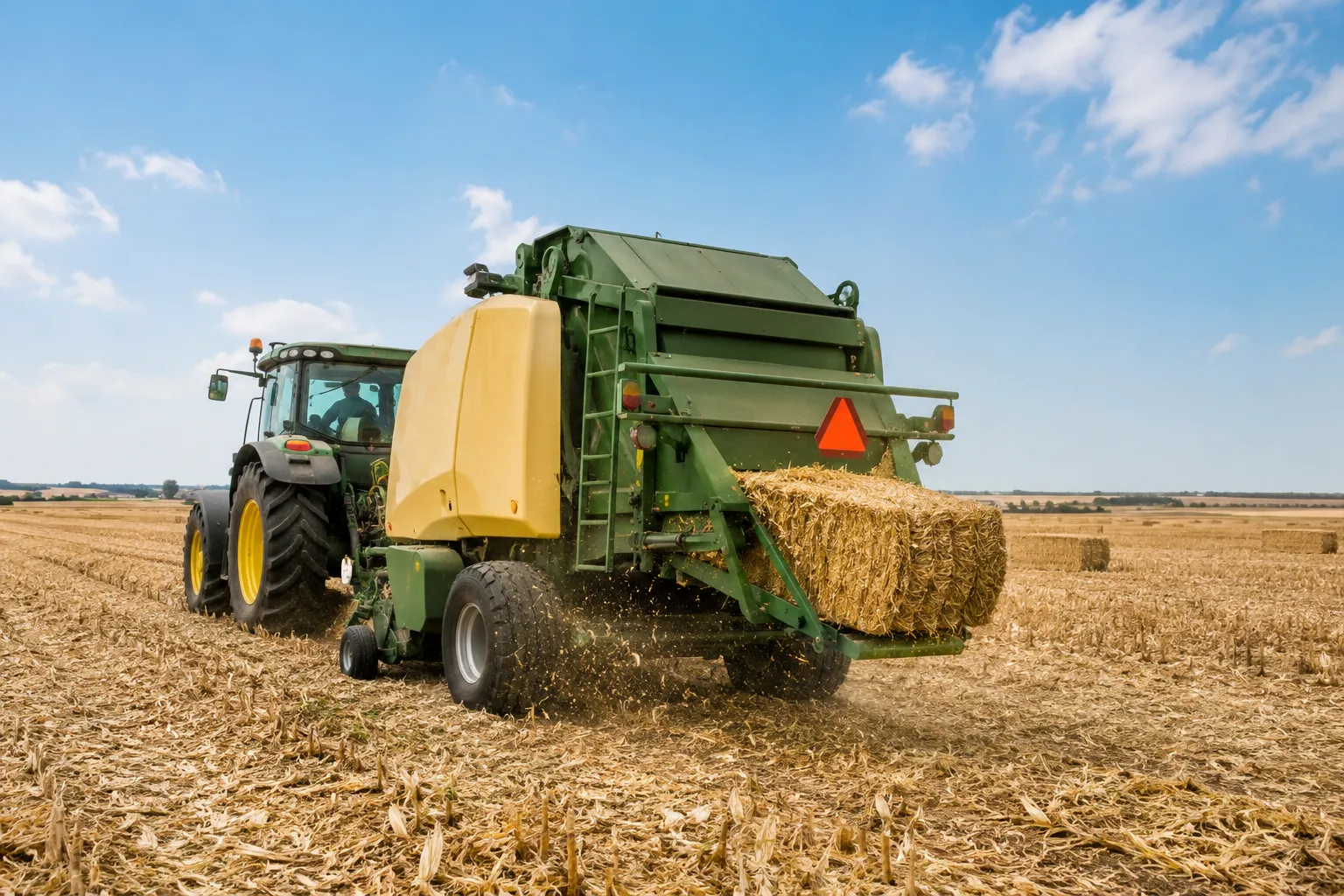
For Argentine soybean operations, the typical operating sequence is: undercut and windrow in the afternoon when pod moisture is at its daily low; allow 24–48 hours for pod walls to firm in the windrow; follow with the combine harvester operating at reduced ground speed to harvest the prepared windrow with minimum shatter loss. This sequence delivers measurably lower total harvest losses than direct combine cutting of standing soybean.
Manufactured to International Standards
Ever-Power's 180-strong engineering team operates two dedicated production lines with annual capacity exceeding 2,000 units, under ISO9001:2015 quality management throughout.
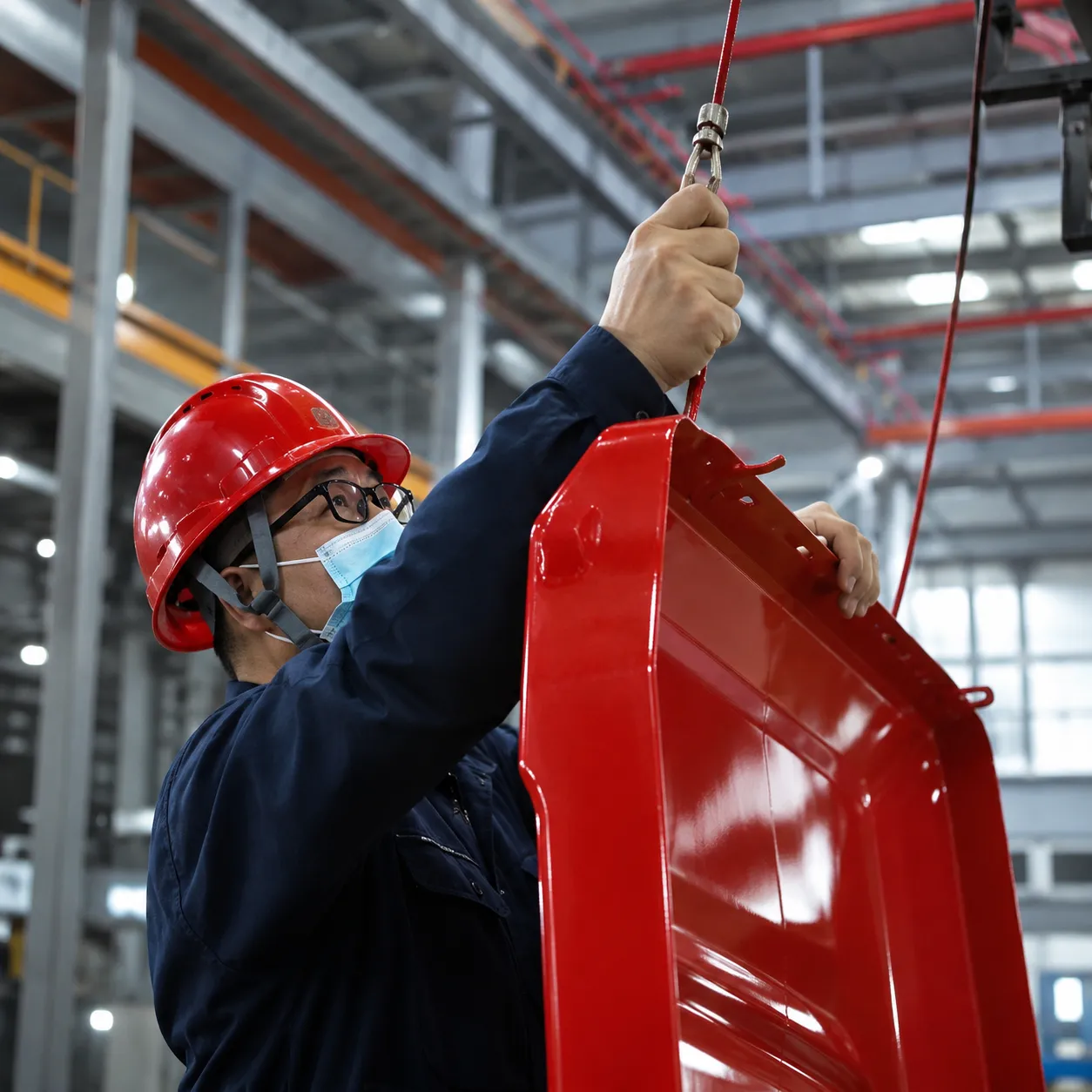
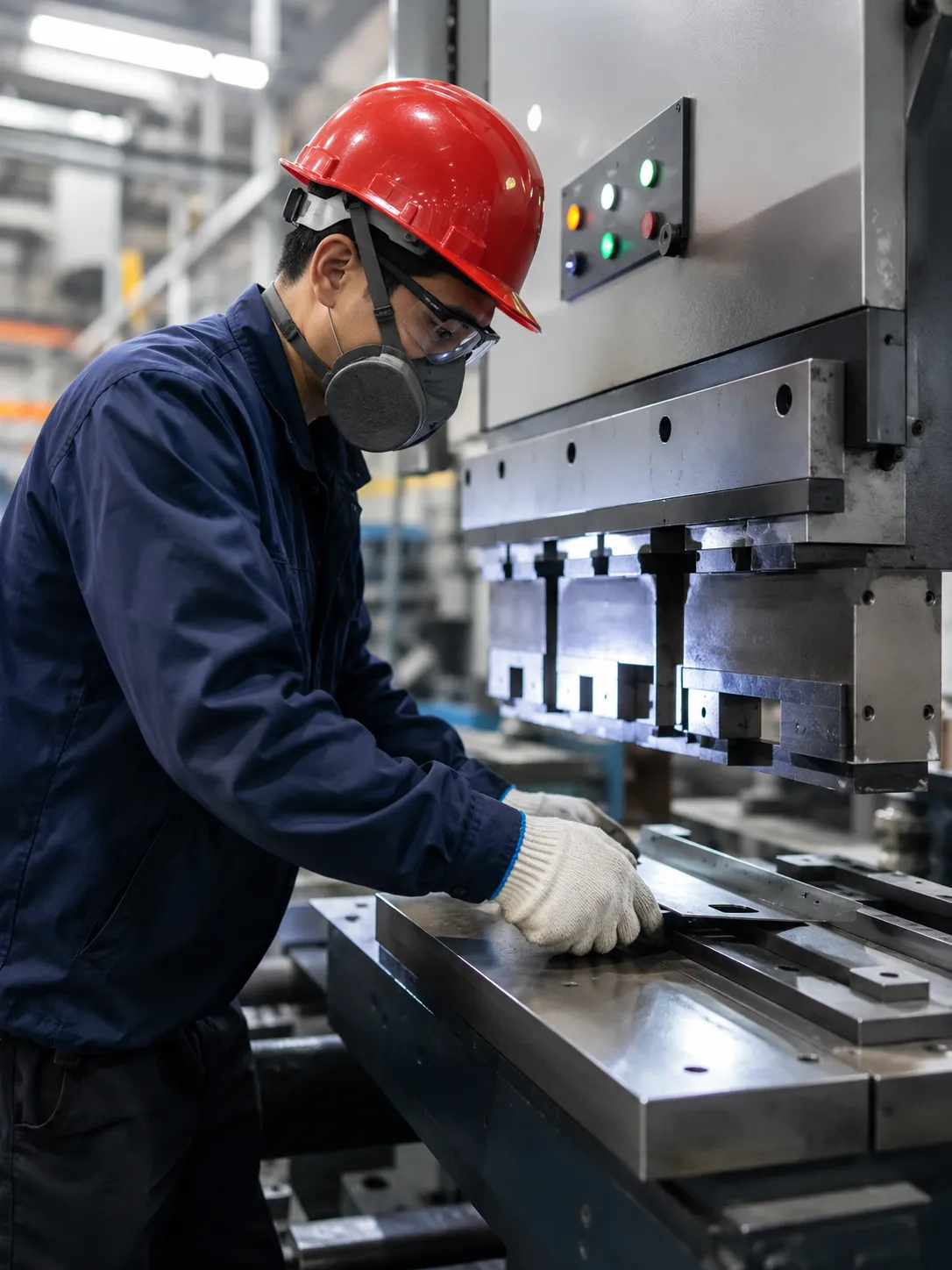
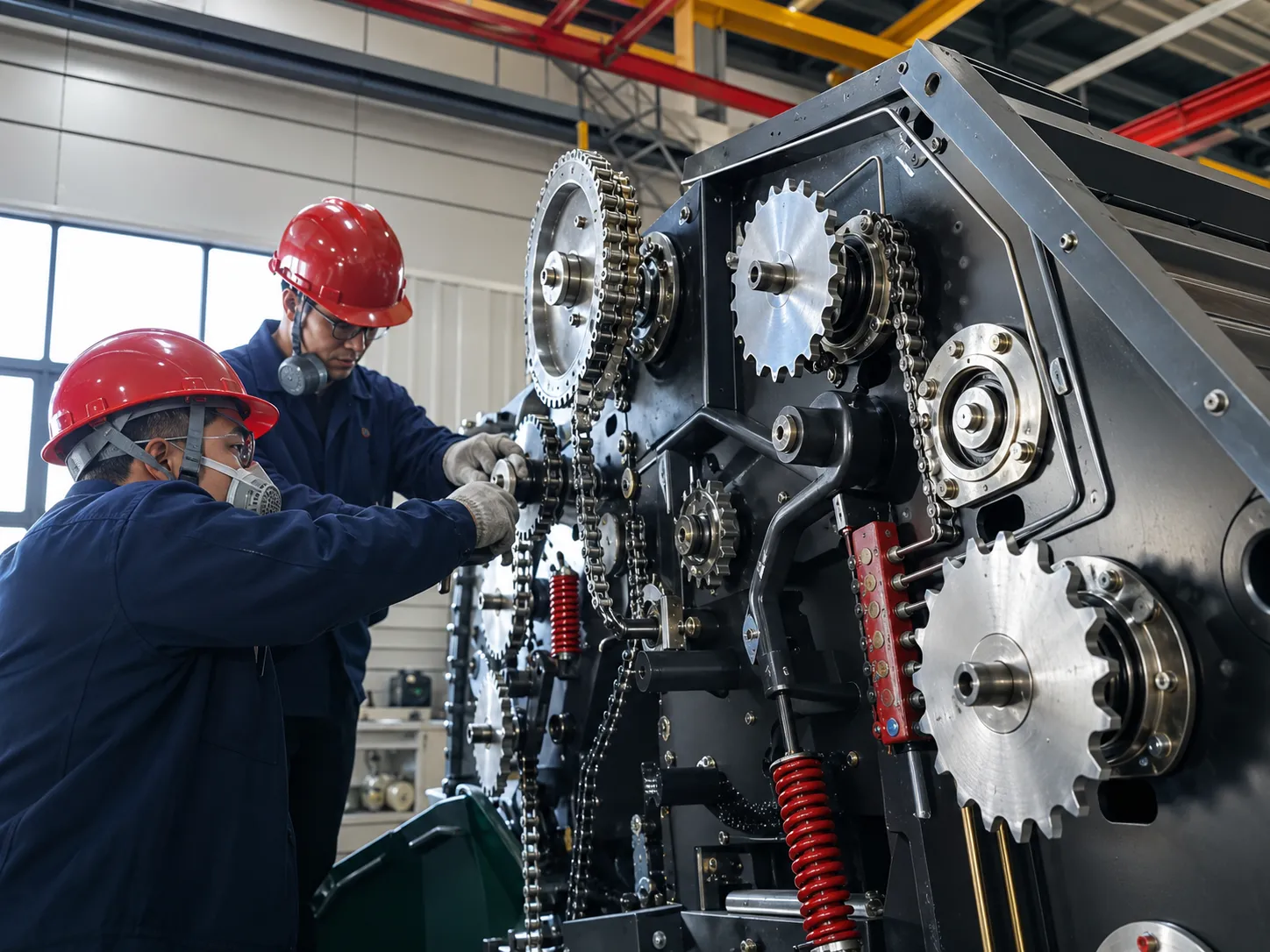
Warranty and Support: Your machine is covered by a manufacturer's warranty from day one. Remote video commissioning support available, and spare parts can be ordered directly from our Parque Industrial Pilar warehouse.
Explore Ever-Power Forage Equipment
Want a delivered price to your nearest port?
We provide CIF pricing to any global port with full export documentation included.
Shipping: Ships to major Argentine ports and 30+ countries worldwide. We manage all documentation and logistics — contact [email protected] for a delivered price.
Reviews
There are no reviews yet.